Lake Hume Fishing
Lake Hume Fishing Guide
Lake Hume is a big artificial lake on the border of Victoria and New South Wales, near Albury-Wodonga. It gets its water from the Murray and Mitta Mitta rivers.
There’s a lot of shoreline so that you can fish from a boat, kayak, or from the land. Shore fishing is possible at open banks and marked access points. You can launch boats at Apex Park, Bethanga Bay, Ebden Reserve, and Huon Reserve, but keep in mind that water levels change. In summer and early autumn, the lake level can drop due to irrigation, which sometimes makes boat ramps harder to use.
Lake Hume is quite deep for an inland lake, with wide open water, big arms, changing depths, and lots of timber and underwater structure. These features matter more than just how far you travel. When the water is low, you’ll see more timber, edges, and old structures, but you also need to be more careful when boating. If the lake drops below 10 per cent, you can only go 4 knots on the Mitta Mitta arm and below Bethanga Bridge in the Murray Arm.
Fishing rules here follow Victorian regulations from the weir wall up to Seven Mile Creek Junction at Talmalmo, and NSW licence holders can fish without needing a Victorian licence. At the time of writing, the following regulations apply to bag and size limits for key species: for example, Murray cod have a minimum size of 55 cm and a maximum of 75 cm, with a bag limit of one fish per person per day. Golden perch have a minimum size of 30 cm and a bag limit of five, while trout have a bag limit of five per day. Carp must not be returned to the water.
Please check for seasonal closures or updates before your trip to make sure you follow the latest rules.
Fish Species to Consider
Lake Hume has a range of fish species you can target, including Murray cod, golden perch (yellowbelly), redfin, and trout. Murray cod and golden perch are often found near submerged timber, rocky points, and drop-offs, especially during the low light of early morning and evening. Redfin tend to school around structure or along the edges of weed beds and can be caught throughout the day. Trout are mostly active during the colder parts of sunrise and sunset and are usually found in open, deeper water or near banks where the water is cooler.
Fishing structure rather than open water is your best bet. Look for submerged trees, branches, deep holes, rock ledges, drop-offs, and the edges of banks before you pick a spot. If you’re in a boat or kayak, try fishing near standing timber or casting close to cover. If you’re fishing from the bank, look for structure you can reach, changes in depth, or spots where the wind hits the shore. Early morning and evening are good times to target bigger native fish, and trout are often active during the colder parts of sunrise and sunset. You can use bait under floats or on simple rigs like running sinkers or paternosters, especially if you need to control your bait in deeper water, wind, or snags.
Lake Hume Tackle, Bait & Lure Tips
You only need gear that matches where and what you’re fishing for. Light spinning rods rated 2-4 kg or 3-5 kg, with 2000- to 2500-size reels, work well for most lighter lures and bait. If you’re casting big lures around timber or chasing Murray cod, heavier baitcast gear is better because you’ll need stronger rods and heavier line for big fish and rough conditions.
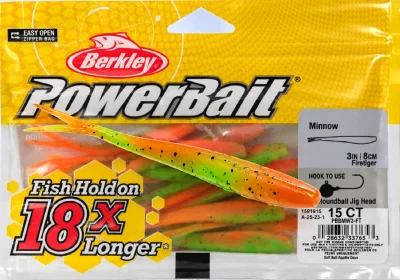
For baits, worms and yabbies work well for golden perch and redfin, while cheese, bardi grubs, and large yabbies are favourites for Murray cod. You can target Trout with live worms or mudeyes. For lures, try soft plastics and spinnerbaits for golden perch and redfin, large surface or diving lures for Murray cod, and small hardbody lures or spoons for trout. Mixing up colours and sizes depending on the time of day and water clarity can help get more bites.
Can Getfished tell if fish are biting at Lake Hume, today?
No. Because a forecast cannot truthfully guarantee whether fish are biting at a specific spot right now. Getfished shows the current fishing conditions instead: tide movement, solunar timing, weather, wind, pressure, marine conditions and fishing report derived species history.
Use this information to make informed decisions about where to fish, and to compare conditions across nearby locations. We hope you enjoy using Getfished to find your next great fishing spot!
✨Find out what we learned from analysing 20,000 fishing reports about moon times and fish told us.