
Thu
1 Oct
Rain.
Range
16.0°C to 22.0°C
Rain
15 to 40 mm · 100% chance
Fishing Times, Solunar, Reports
Fishing may be harder work at Port Phillip Bay today, with short windows more likely than steady activity. With the major bite period coinciding with the moon overhead, this supports the potential for increased fish feeding activity. Light rain; still fishable, on the plus side, often fewer anglers to compete with.
Scheduled update AEST
Moon Phase
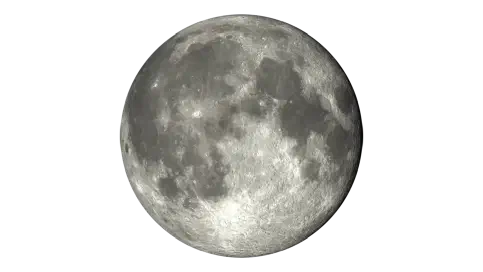
Waning Gibbous
Estimated Fish Feeding Activity
50%
Port Phillip Bay is subdued at 28%, with only minor feeding activity likely.
Solunar Overview
Check today’s major and minor bite windows, moon phase and seven-day solunar outlook for Port Phillip Bay.
Today’s Solunar Score
50%
Next Bite · Major
2:57pm
Moon Phase
Waning Gibbous
Tide Overview
The falling tide is reducing water depth as it moves towards the next low tide.
Next Tide
Low at 12:15
0.48 m
Current Tide
The tide is currently falling
Estimated Height
0.69 m
Weather
Conditions here can shift quickly through the day, so use this as the broad weather picture alongside the separate wind and pressure sections below.
Last Reported
Current weather
21.0°C
Today
Rain.
Maximum
22.0°C
Minimum
16.0°C
Rain
15 to 40 mm · 100% chance
Thu
1 Oct
Rain.
Range
16.0°C to 22.0°C
Rain
15 to 40 mm · 100% chance
Fri
2 Oct
Rain.
Range
11.0°C to 17.0°C
Rain
10 to 35 mm · 95% chance
Sat
3 Oct
Showers.
Range
12.0°C to 19.0°C
Rain
3 to 20 mm · 90% chance
Sun
4 Oct
Possible shower.
Range
11.0°C to 17.0°C
Rain
0 to 1 mm · 40% chance
Mon
5 Oct
Partly cloudy.
Range
8.0°C to 19.0°C
Rain
20% chance
Tue
6 Oct
Showers.
Range
12.0°C to 18.0°C
Rain
0 to 6 mm · 80% chance
Wed
7 Oct
Partly cloudy.
Range
10.0°C to 18.0°C
Rain
20% chance
Pressure
Pressure is most useful for fishing when it shows movement. A stable, rising, or falling trend can add context to the rest of today’s fishing forecast.
Last Reported
Interpretation
Pressure changes tend to matter more than the absolute value, especially when conditions are shifting.
Pressure is only one signal. Wind, tide, solunar timing, water movement, and local structure still matter.
Recent readings build the pressure trend used for interpretation.
Wind
Wind direction and strength can change how exposed a location feels, especially around open water, beaches, piers, and headlands.
Last Reported
Current speed
15.0 km/h
Direction
N
Today max
—
Reading the wind
Wind direction and strength can affect comfort, casting, and exposure around this location.
Wind gusts can be stronger than the average wind speed, so it's worth checking the gust forecast if you're planning to fish from an exposed location or need to know about potential changes in conditions.
Even modest wind can affect comfort and casting, especially where the water is exposed.
The marker shows the current wind direction, while the daily outlook below shows whether conditions are likely to build or ease over the coming days.
Marine Conditions
Marine forecasts are guidance only. Conditions can change quickly on exposed water.
Current marine state
Current wave
0.18 m
Max wave
0.42 m
Wave period
7.5 s
Swell
0.36 m
Wind wave
0.34 m
Water temp
15.2 C
Marine interpretation
Marine observations point to a reasonably fishable sea state.
Marine caution
Even with lower waves, wave height and conditions can vary depending on wind and local water movement. Forecast wave heights are averages rather than peak conditions. Individual waves may exceed the forecast height at times. Wind and local chop can quickly affect comfort and control. Wave period around 9.4 s can influence how conditions feel on the water. Conditions in open water can change quickly, so keep checking throughout the session.
Water temperature
Water temperature is around 15.2 C, so accidental immersion should still be treated seriously. Cool or cold water can affect grip, coordination, and swimming ability. Hypothermia is a real risk, particularly if you become immersed in the water. Wind and rough water can increase the impact of an accidental immersion.
Check local marine warnings, ramps, vessel limits and current conditions before heading out.
Fishing Reports
Recent catch activity for this location.
Reports analysed
40
This year
3
This season
1
Species recorded
10
Reported species
Snapper leads the reports for Port Phillip Bay.
This summary is based on reports grouped for the region and is intended to complement the species chart.
Based on regional Getfished fishing report species data.
* Note that report summaries will sometimes display the same species under different names. This is because they are being reported that way. This is intentional.
See recent catches, reported species, seasonal patterns and historical fishing activity for Port Phillip Bay.
View Port Phillip Bay Fishing Report →Share of the displayed top 5 species recorded for this location.
Share of the displayed top 2 bait recorded.
Get a seven-day fishing forecast by email each Thursday morning, with bite times, weather and tides where available.
Email Me the FREE Weekly ForecastOne email a week. Confirm your email to subscribe. Unsubscribe at any time.
Today's sunrise is 5:58 am and sunset is 6:22 pm. As a general guide, the hour before and after sunrise and sunset are often among the most productive fishing periods. No high tide or solunar period falls within the sunrise or sunset fishing periods today, so the other listed bite windows may provide better timing guidance. The sea-surface temperature is 15.2°C, some species may be less active in cooler water.
Find out what we learned from analysing 20,000 fishing reports about moon times and fish.
Being a land-based location using berley is extremely important in order to bring the fish towards jetty and you.
Port Phillip Bay links Bass Strait with the Southern Ocean.
Port Phillip Bay is a large estuary with plenty of fish. Snapper and whiting, for example, come here to breed during summer. Over the past 8,000 years, the bay has changed between being an estuary for the Yarra River and a bay. When sea levels rose and storms came, ‘The Heads’ opened to the ocean and flooded the lowlands.
Most of the bay’s shoreline is lined by Melbourne, its bayside suburbs, and Geelong. Popular access points for anglers include St Kilda Pier, Brighton Jetty, and Altona Pier.
If you are launching a boat, top ramps are available at Patterson Lakes, Werribee South, and St Leonards. Shore fishing is also easy from the piers in Port Melbourne, Mornington, and Queenscliff, and many beaches are accessible for land-based fishing. These well-known locations make it easy to plan your trip and find the best entry points to enjoy the bay.
The heads are narrow and lead into a wide, shallow, and scenic bay. Because the bay is large and shallow, the weather can change fast, which can be risky for small boats.
Before you go out, check the weather, always wear a life jacket, and tell someone your plans. Port Phillip Bay’s weather can change quickly, with strong winds, fast storms, choppy waves, and fog that can appear suddenly. Check forecasts with trusted resources such as the Bureau of Meteorology website or app, and use tide prediction tools like Getfished to stay updated on local conditions.
Tidal currents can be strong, especially near the heads, and visibility can drop fast in some conditions. Bring safety gear like flares, a marine radio, an anchor, and a torch. It’s also a good idea to have a bilge pump or bailer, extra fuel, and a first aid kit. Watch for changing conditions to stay safe and enjoy your time on the water. For more tips, see our Port Phillip Bay Safe Wave Height Guide.
The heads are interesting from a geographic perspective because thousands of years ago, the old Yarra River estuary met Bass Strait at this spot.
In many ways, the bay is a huge estuary. Thousands of years ago, both geology and Aboriginal stories say the bay suddenly filled with water. Before then, it was mostly dry land and swamps. Now, the Yarra River flows out through Port Phillip Heads.
Snapper are the most popular and well-known fish in Port Phillip Bay.
People enjoy catching snapper because they taste great and are exciting to catch. You can find them in the bay all year, but the best time is from October to May. Good places for snapper include the reefs from Sandringham to Black Rock, the waters off Carrum and Frankston, and the area off Mornington. Many anglers also fish for snapper near the channels around Altona and at the north end of the bay near Williamstown.
Squid and pipis are popular baits for snapper. You can also catch them with soft plastic lures and jigs, but most people prefer bait. Bait often works best in cooler water or after rain, when snapper are looking for natural food. Lures and jigs work well if the fish are active and chasing prey, especially in warmer water or when you want to cover more ground quickly. Try to match your bait or lure size to the size of snapper you are targeting for the best results.
For snapper fishing in Port Phillip Bay, a popular tackle setup is a 7- to 8-foot rod rated for 6- to 10-kg line, matched with a 4000- to 6000-size spinning reel. Spool your reel with 8- to 12-kg monofilament or braided line, and use a fluorocarbon leader to reduce visibility in clear water. Running sinker rigs and paternoster rigs are both effective, depending on conditions. Use 4/0 to 6/0 sized hooks to handle large snapper. For other species in the bay, use lighter tackle. For bream and whiting, a 7-foot rod with a 2000- to 3000-size reel and 4- to 8-lb line works well. Flathead can be targeted with similar outfits, though you may want a slightly heavier leader if fishing over rough ground. For squid, use a 7-foot rod with a soft tip, matched to a 2500-size reel and 6 to 10 lb braid, along with suitable squid jigs.
For other species, timing can help you catch more fish.
Bream are best from October to early January, especially near river mouths and structures.
Flathead fishing is best between November and April, when they are more active in shallow sandy areas.
Squid are most common from April to September, with bigger catches near weed beds and piers during the cooler months.
Whiting are usually easier to find from December to March, especially over seagrass beds and shallow sand patches.
Planning your fishing trips around these seasons will give you the best chance of success. You can use Getfished Fishing Reports and Victorian Fishing Spot Fishing Times and Guides
For other sources of information, you can consider visiting reputable local bait shops such as Bay City Bait & Tackle (Port Melbourne) or Hooked on Bait & Tackle (Bentleigh), or reaching out to experienced fishing guides in the area. These experts can help you choose the right bait and spots for the day, making your trip more enjoyable and successful.
When fishing for snapper, make sure to follow the current legal size and bag limits. In Victoria, the minimum legal size for snapper is 28 cm, and the daily bag limit is 10 per person, with only 3 snapper over 40 cm allowed. These rules help protect fish stocks and keep you from getting fined. Size and bag limits can change, so always check the official Victorian fishing regulations before you go.
Also, be aware that some parts of Port Phillip Bay may be within marine parks or have seasonal closures for certain species. There may be additional rules, such as gear limits, no-fishing zones, or closed seasons for particular fish. Before your trip, check if your chosen area has any special restrictions or regulations on fishing methods. Following these rules will help you avoid accidental violations and protect the bay’s unique environment.
For bream, try fishing near structures and river mouths, especially in spring and early summer. Good spots in Port Phillip Bay include the Yarra River mouth, Patterson River, and the Maribyrnong River. The docks and piers around Williamstown, and the rocky banks near Mordialloc Creek, are also popular places to catch bream.
Flathead are often found along sandy bottoms and are most active from November to April. Popular spots in Port Phillip Bay include St Kilda, Elwood, Werribee South, and the sandy areas off Clifton Springs. These places are known for producing good numbers of flathead during the peak season.
Squid are best caught around weed beds and piers during the cooler months, using small jigs for the best results. Top spots in Port Phillip Bay include the piers at Queenscliff, Portsea, and Sorrento, as well as the weed beds off Mornington and St Leonards. These areas often have plenty of squid, especially when the water is clear and the tide is moving.
No. Because a forecast cannot truthfully guarantee whether fish are biting at a specific spot right now. Getfished shows the current fishing conditions instead: tide movement, solunar timing, weather, wind, pressure, marine conditions and fishing report derived species history.
Use this information to make informed decisions about where to fish, and to compare conditions across nearby locations. We hope you enjoy using Getfished to find your next great fishing spot!
✨Find out what we learned from analysing 20,000 fishing reports about moon times and fish told us.
| Latitude | -37.8136 |
|---|---|
| Longitude | 144.9631
View on Google Maps |
| Nearest city | Melbourne |
| Environment | Saltwater |
| Distance from Melbourne (as the crow flies) | 0.00 km |
| Platform | BeachesJettiesLand basedPiersRock wallRocksParkingToiletsDrinking waterShelter |
| Rivers | Yarra riverMaribyrnong riverWerribee riverPatterson riverYarra river birrarung |
| Creeks | Mordialloc creek |
Nearby options
A small selection of other saltwater locations from the same region.
Region Locations
Next Bite · Major
Starts: 2:57pm
Air 21 C
Water 14.7 C
Sunrise 5:58am
Sunset 6:23pm
Updated 1 Oct 9:27am
Showing 1–6
Fishing report summaries are derived from Getfished’s structured fishing report database system. More information on this on how we collect and structure fishing report data can be found on our Fishing reports information.
Forecasts are based on the Getfished Meteorological and Solunar Forecasting System, which combines data from the BOM, and other sources. Our custom software systems use these inputs to establish solunar, tides and other forecasts for fishing conditions.
For more information on our systems and data sources please see our Datasources page. You can also Contact us for more information or details on commercial reuse.


