Snapper Rod & Reel
Snapper Rod & Reel
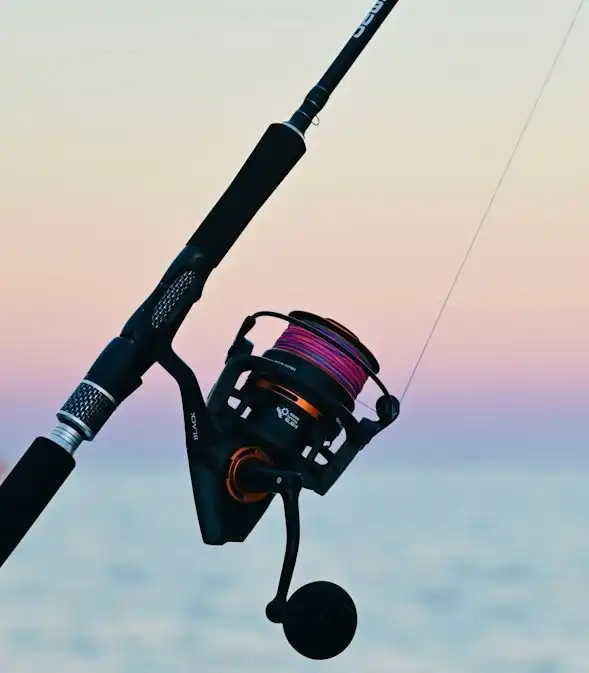
You don’t need the most expensive rod and reel to catch snapper. I have caught a lot of fish with equipment that isn’t particularly costly, and I don’t think spending a lot of money on fishing gear increases your chances.
I usually spend between $70 and $230 on rods, reels, or both, and I tend to choose the higher end of the basic range from well-known manufacturers like Shimano, Daiwa, and Penn. If you’re starting, a rod-and-reel combo in the $70 to $120 range is usually enough to get you going and should be reliable for most snapper fishing from piers or the beach.
What matters to me is equipment that’s reasonably sturdy, comfortable to use, and appropriate for where I’m fishing.
A rod and reel combo suitable for pier fishing isn’t necessarily the best option for surf fishing. Similarly, equipment suited to bait fishing might not be ideal for lures.
The following is what I seek.
Snapper Rods and Reels for Pier Fishing
When I do general bait fishing from a pier, I stick to a reasonably sturdy rod between 6 and 9 feet long.
The tip must be flexible enough to cast a reasonable distance, but the rod also has to be strong enough to handle a decent fish.
This point is especially important for beginners.
I have seen many inexperienced anglers handle fish as if they were hauling a truck up a cliff. Although learning to handle a fish correctly matters, it helps to have reasonably durable equipment while you are still gaining experience. This is also true when suffering from physical conditions that make spending a long time fighting a fish difficult for you. For example, COPD and Asthma can cause some anglers to tire quickly.
A 4000-size spinning reel is usually all I need for fishing; although you can choose a 6000-size, the extra weight isn’t always desirable. For those new to fishing, manufacturers use reel sizes like 4000 or 6000 to indicate overall size and line-holding capacity. A 4000-size reel is lighter and easier to handle, making it suitable for most snapper fishing from piers, while a 6000-size can hold more line but can feel bulkier during a long session.
For line, I think 10 lb braid with a leader ranging from 10 to 20 lb is best.
Braid provides good sensitivity and casts well, making it easier to feel bites and achieve longer casts. However, monofilament has some advantages in certain situations. Braid is thinner for its strength and is great when you need to cast far or fish because it cuts through the air and water easily.
On the other hand, monofilament is stretchier, making it more forgiving for beginners, and it is generally less likely to tangle or knot. For beginners, monofilament can be a good choice if you want a more affordable, easier-to-manage line, especially when learning to cast and handle fish. If you want more sensitivity and can tie leaders to your main line, braid is worth considering.
When You Need More Casting Distance
To reach reefs or other productive areas, some piers need longer casts.
In those cases, I use a 12-foot rod with a good casting action, like a smaller beach rod.
You don’t always need a much larger reel; a 4000 to 6000 size is usually sufficient.
What you need to consider is selecting the right rod for the casting distance and weight you are using.
Snapper Rods and Reels for Lure Fishing
Lure fishing is different.
Instead of focusing mainly on casting distance, I want equipment that lets me cast accurately and work the lure effectively.
It is usually better to use a lighter, more flexible spinning rod, as long as it is strong enough to handle a good snapper.
For this kind of pier fishing, I prefer reels in the 2000 to 4000 size range.
Heavier equipment makes it harder to produce the kind of movement you want in a lure.
Remember that if you’re using lures, you usually cast and retrieve them several times; a heavy rod-and-reel setup tires you much faster than fishing with bait.
Snapper Rods and Reels for Boat and Kayak Fishing
When you are fishing from a boat or a kayak, you don’t need to take your beach rod with you.
You usually don’t need a long rod since you are not trying to cast a long distance.
A 6- to 7-foot rod is generally enough for the way I fish.
The reel sizes that I use when fishing for bait from piers are also appropriate in this case.
In fact, a great many anglers use the same rod and reel setup when fishing from a pier, from a boat, or from a kayak.
You can often find the appropriate equipment advertised as boat rods or boat combinations.
There is no good reason to get a completely new setup when what you have will do.
Snapper Rods and Reels for Beach Fishing
Beach fishing makes casting distance more important.
For beach fishing, I think it’s best to use a 10 to 12-foot rod with a medium action.
Longer rods make casting easier, especially if you need heavier sinkers to keep the bait in place.
I would go with 10 to 20 lb braid with a leader of at least 20 lb, although this may depend on conditions.
When fishing from rocks into the surf or on surf beaches, rods between 12 and 15 feet long will do.
You shouldn’t assume that choosing the longest rod available will give you the longest cast.
Good casting technique can make a big difference.
In fact, it may be more advantageous to practise casting before going fishing than to buy a thicker, heavier rod.
Surf fishing can require a good deal of physical effort, particularly if you are casting over and over again.
It is worth learning how to cast efficiently.
Lure Fishing From Beaches and Surf Beaches
When fishing from the beaches using a lure, I prefer a spinning rod that is 9 to 10 feet long.
It offers a useful balance between casting distance and lure control.
Braid can increase casting distance, but it’s harder to control in wind.
On beaches where you’re surf fishing, you’ll probably encounter wind.
There is no benefit to bringing along excess equipment weight if you are constantly casting and retrieving.
Choosing a Manufacturer
I have used equipment from Shimano, Daiwa, Penn, Ugly Stik, and Jarvis Walker over the years.
I usually prefer well-known manufacturers, but I am becoming less willing to recommend an entire brand based solely on its reputation.
I have run into quality problems with equipment from companies I once trusted.
This has included defective parts, below-par quality, and rods that didn’t perform as well as I expected.
I prefer Penn reels for saltwater fishing because I’ve always found them sturdy and resistant to saltwater conditions. Yet, some of the ones I’ve bought recently have been unsatisfactory.
I’ve also had issues with other brands, including equipment that failed on its first use.
That doesn’t mean all products from these manufacturers are inappropriate.
That means I evaluate each rod and reel separately rather than assuming a well-known brand name ensures quality.
Final Advice When Choosing A Snapper Rod and Reel
My advice is to choose equipment that suits your fishing, inspect it carefully, and don’t assume that spending more money automatically means you’re getting something better. When inspecting gear, especially if you’re new to fishing:
- Check that the reel turns smoothly and doesn’t grind. Inspect the rod for cracks, chips, or weak spots, especially around the guides and joints.
- Make sure the guides are firmly attached and free from rough edges.
- Try tightening and loosening the reel seat to be sure it holds the reel securely.
- Test that the handle and other fittings feel solid and have no loose parts.
Taking a few moments to check these things in the shop can help you avoid problems on the water.