Best Snapper Fishing Times
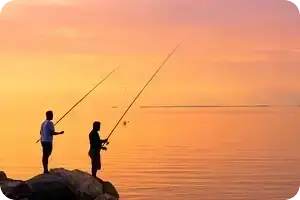
To find the best time to fish for snapper, start by considering where you plan to fish. For instance, Brighton Pier, Mordialloc Pier, and Mornington Pier are popular with anglers who fish from land. Boat anglers, on the other hand, prefer shallow reefs near Black Rock or the deeper waters off Port Phillip Heads. There is a great difference between going to a pier, some rocks or a beach and going out in a boat or a kayak. A boat or kayak is more likely to result in a catch during the day than a land-based location.
Fishing is still believed to be best at dawn and dusk, but during the middle of a summer day, your chances of catching snapper and many other types of fish are considerably lower.
Snapper move into many bays, inlets, and estuaries to spawn during the warmer months. In Victoria, the peak snapper season extends from about October to March, with most being caught from late spring (October and November) through summer and then, after spawning, into autumn as well. However, as water temperatures drop from April onwards, you can still come across one or two larger individuals. Still, most snapper move into deeper waters outside of the bays and inlets.
According to the Solunar Theory, a new moon is the best time for snapper fishing. Although it could have some effect, several other factors matter. A westerly wind is ideal in certain locations because it brings nutrient-rich water closer to shore, which can attract snapper. In contrast, an easterly wind generally makes fishing more difficult. Southern and northerly winds are unpredictable, so consult recent local reports to understand the patterns. Atmospheric pressure around 1020 hPa is ideal, and a gentle decrease can trigger feeding activity, so plan your trips when pressure is stable or just beginning to fall after reaching a high. Water temperatures between 17 and 22 C in southern areas are ideal, so check the most recent sea temperature data for your area. Before heading out, check Getfished for the locations’ wind direction and speed, review the latest pressure readings to see whether the trend is stable or falling, and confirm the water temperature is within the ideal range. Adjust your plans to choose the best days, but if you have to go when conditions aren’t perfect, try fishing during peak solunar times to get the most out of it.
Before you go, check Getfished for atmospheric pressure and water temperature. If boating, the Bureau of Meteorology MetEye website is essential for current wind direction. Getfished provides tide and lunar phase charts to choose days when the moon, the tides, and the weather align well. If you plan your trip to match these ideal conditions as much as possible, you’ll have the best chance of a productive session, but if conditions aren’t perfect, don’t get discouraged—sometimes the most important thing is to be flexible and get out there.
I consider fishing from land ideal only between just before dawn and a few hours after, provided the previous night was hot. The same for dusk.
Land-Based Snapper Fishing
Even though you can catch snapper during the day, consider dawn and dusk when fishing from land. Choosing the correct bait and gear can make a great difference. See our Snapper Bait Guide for recommendations.
Fish such as flathead bury themselves in the sand and wait for food, but snapper are pelagic, schooling fish that move into areas with good feeding. Near the shore, this can become uncomfortable or even dangerous. This is because atmospheric pressure affects their swim bladders more, the water may be considerably warmer, and, most importantly, they are at risk of being eaten since they are easier to see.
Shadows move around at dawn and at dusk, and it is much less risky and more appealing to approach the shore to feed on baitfish. The same applies in bad weather. When a strong summer wind breaks the water, it creates good cover, and larger fish are more likely to move in.
Be careful in this situation. It is advisable not to go fishing during an electrical storm. Before setting out, always check local weather warnings and be prepared to change your plans if the forecast indicates it would be unsafe.
To stay safe, take essential equipment such as a torch or headlamp if you are fishing in low light, and wear firm, non-slip footwear. When fishing from rocks, some states require a life jacket. It’s still a good idea, even when it’s not legally required. Many people lose their lives rock fishing.
Remember, waves can crash over piers and rocks during rough conditions, sweeping careless anglers away. No fish is worth your life!
Fishing For Snapper In A Boat
Fishing in deeper water above a reef greatly increases your chances of success, and combining that with fishing at dawn or dusk is another major advantage; since you are targeting deeper water than land-based fishermen, you can also fish during the day.
Just remember that in many states, you must wear a life jacket approved for use in that state at all times when fishing from a kayak or on a boat under a certain length.
Most fishers will head out before dawn, and somewhat fewer before dusk. Either option tends to produce better overall fishing.
The moon phase has much less impact on boat and kayak fishing than on land-based fishing. However, the solunar “bite times” do seem to have some effect, at least for me.
Fishing For Snapper In Your Kayak
Because kayaking anglers usually fish near the shore, the best times are dawn and dusk. Dawn often has the least wind, and therefore the waves are often a bit lower than the rest of the day. But that always depends on prevailing weather conditions.
When you’re kayaking, check local tide tables and the weather forecast before you go out, since tides and wind can change rapidly and make it hard to get back safely.
In my opinion, an EPRB is essential when kayaking. It’s valuable on land, but on boats and kayaks it’s a real life-saving tool. A life jacket is required by law.