Snapper Berley & Scents
Snapper Berley & Scents
I am constantly amazed that so many people don’t use berley when fishing for snapper.
Some anglers believe it doesn’t work. Others reckon it’s designed to attract anglers into tackle shops rather than attract fish. I’ve even heard people claim it puts fish off the bite.
That hasn’t been my experience.
I frequently use berley when I’m fishing for snapper, especially when I’m at piers and other locations on land. I have found it very effective, and on those busy piers I have been able to catch more fish than other anglers using these methods.
It isn’t essential to feed the snapper directly; I’m aiming to lure smaller baitfish, such as minnows, into the area where I am fishing.
Small fish draw attention, which could in turn lead larger predators, such as snapper, to investigate.
Berley isn’t just about dropping food into the water.
Where you put it, how you distribute it & what you put into it all matter.
A simple rule of thumb is to place your berley up-current from your bait, so the scent trail drifts naturally back toward your hook. This helps draw fish right to where you want them.
How I Use Berley From a Boat
When I’m fishing from a boat, I usually use a standard berley pot.
You can find these at most fishing tackle shops, and they come in both plastic and metal.
Both work.
Fish don’t pay much attention to the pot’s material.
Metal pots tend to sink more easily, which can be advantageous depending on the situation and where you want the berley to be distributed.
The most important thing is to get the berley into the water so it can create a trail leading to where you are fishing.
There’s little benefit in letting berley go into a place that will carry it away from your bait.
How I Use Berley From a Beach
When I fish from the beaches, I follow two different methods.
A Berley Pot Attached to a Stake
One way to do this is to fix a plastic berley pot to a stake in the sand.
I put the stake a little farther updrift from where I’m casting my bait.
On most beaches, longshore drift transports water and suspended material along the shoreline.
If I put the berley pot in the right place, I can make a trail that leads towards my bait.
That’s the objective.
I want the Berley trail to draw fish towards my bait rather than away from it.
First, notice the direction the water is moving if you want to decide where to place the pot.
A Castable Berley Cage
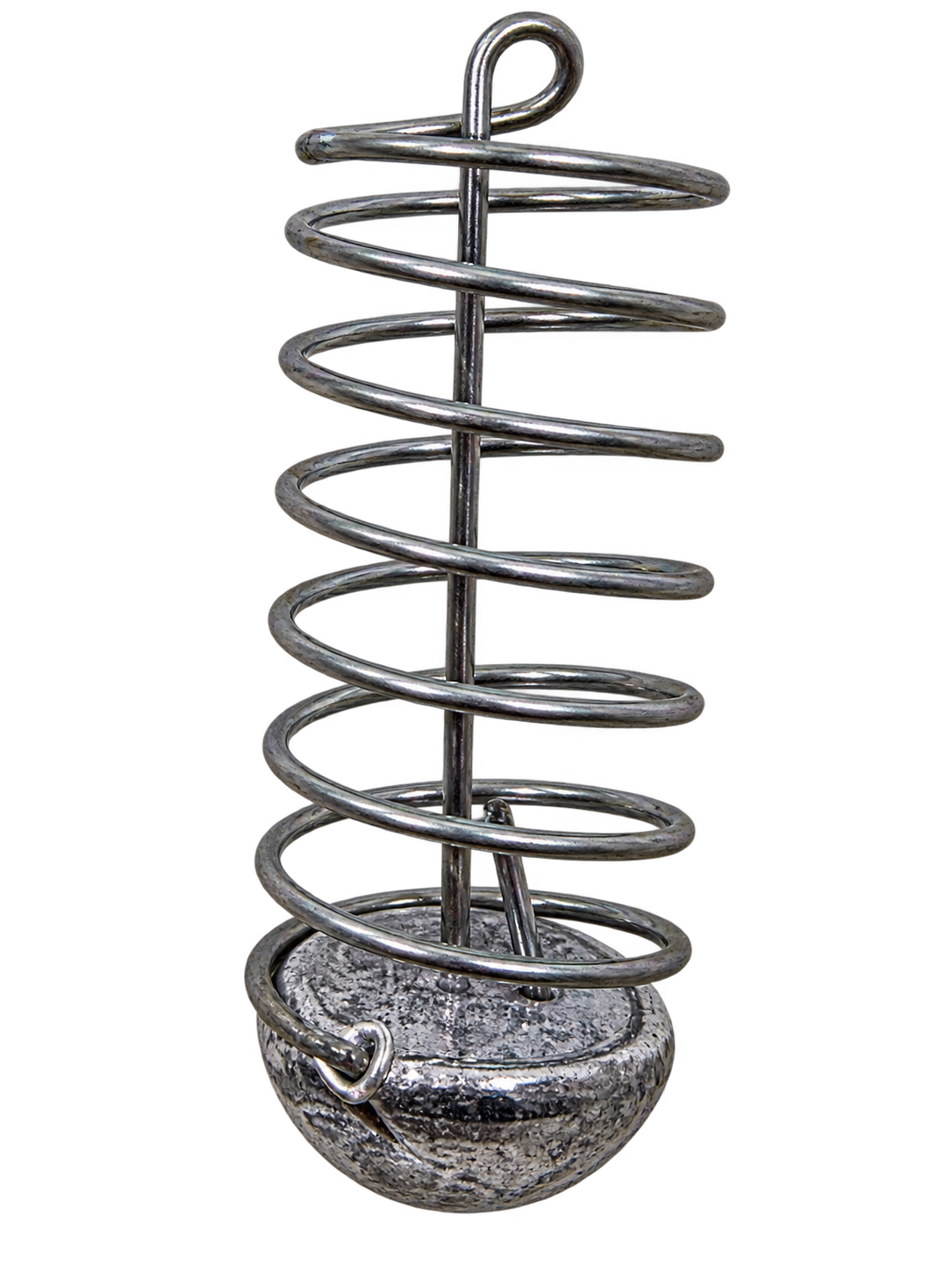
Second, I use a berley cage attached directly to my fishing rig.
It is especially useful when extending the range, since a pot fastened to a stake will not distribute the berley anywhere near the bait.Where you put it, how you distribute it & what you put into it all matter.
It also performs well on piers and banks.
Using Berley Cages From Piers, Banks and Beaches
You can make your own berley cages, and fishing tackle shops carry a wide variety.
Some consist of metal or plastic containers, while others look like a big spring, usually with a sinker attached.
I really prefer spring-type cages.
- You put your Berley mixture into the spring or cage, then attach it to your fishing rig.
- With a paternoster rig, the cage can replace the sinker at the bottom of the rig, as long as it’s heavy enough.
- With a running sinker setup, you can place the cage above the bait in various ways.
There are many options worth trying.
The benefit is that the berley scatters near where your bait is fishing. There is no benefit in using a berley pot to discharge its contents elsewhere.
This has proven especially effective when fishing from crowded piers.
What I Put in My Berley
I usually try to use some of the same bait that is on my hook.
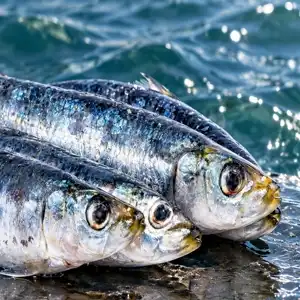
When I use pilchards, I break some up and mix them into the berley.
I can use pilchards left over from a previous fishing trip, even if they are no longer fit for use as bait; I would not use bait that is spoiled, rotten, or unsafe to handle.
When I use chicken, I will use small pieces or cubes.
I usually salt the chicken and add garlic, anise, or other attractants. I sometimes include a small amount of commercial lure, for example, Gulp.
I also use chicken hearts. I usually season the fish the night before since this helps to firm it up, then crush it into the berley mixture.
I have found that the mixture obtained from chicken hearts is especially effective.
It depends on the mixture whether I use breadcrumbs or pollard to help hold everything together.
It is especially useful when using spring-type berley cages.
If you want the mixture to stay in the cage while casting, it should slowly break down and release the material into the surrounding water. Aim for a consistency like damp sand: firm enough to hold together when squeezed, but loose enough to crumble apart gradually so the scent and particles disperse over time. This will help the mixture release at the right pace while staying in place during your cast.
The aim is to create a continuous trail of attractant rather than having it all disappear at once.
Can you overuse Berley?
Yes.
- Note the difference between attracting fish and feeding them.
- I want the fish to look around the area where my bait is located.
- I won’t offer so much food that they have only a weak reason to take my offer.
One reason I prefer berley cages is that the mixture is slowly released near the bait.
Try different levels of firmness when packing the cage and experiment with different speeds at which the mixture breaks down. If you notice your berley breaks apart and releases too quickly, make the mixture a bit firmer or add more binder, like breadcrumbs or Pollard, to help it hold together longer and release more slowly. If the berley isn’t releasing much at all, loosen the mix or add a little more water so it crumbles apart more easily.
Adjusting the consistency based on what you see will help you dial in the right release for your conditions.
Water movement also has an effect.
Why I Use Scents on Bait
Many anglers use attractant scents on soft plastic lures. Yet I’ve never seen why so many people are unwilling to use them on natural bait.
I use them regularly.
Sometimes I use commercially available products, and other times I prepare my own mixtures. I’ve had satisfactory results with garlic and anise, along with commercially available attractants like Gulp.
I prefer to buy garlic powder in large quantities from catering supply companies rather than buying small containers of seasoning.
For aniseed, I use anise powder which I also buy from catering supply companies. I’ve also used ground anise flowers.
I buy the ingredients individually because I know exactly what I’m putting into the bait.
Some commercial seasoning mixes include extra ingredients such as salt and other additives that I don’t want.
Salting Chicken for Bait
One of my favourite baits when I’m fishing for snapper on land is chicken.
I habitually season it before using it.
- Salting removes some moisture from the flesh, making the chicken firmer and tougher.
- This helps it stay on the hook, especially during casting.
- I have also discovered that salted chicken works well in saltwater.
- I think how it’s prepared could affect how much of the chicken’s contents enter the water, even though I can’t explain exactly why it works as well as it has for me.
I want salt that does not contain iodine or any other additives.
Over the years, I’ve tried out various preparations and usually obtain better results with ordinary salt.
I occasionally mix salted chicken with garlic, anise or commercial attractants.
You don’t need to think scents are only appropriate for artificial lures. I have also found them useful when using natural bait.
Quick Note On NOT Using Mammalian Meat
It is illegal to use meat coming from mammals in many Australian states.
This is primarily to avoid introducing pathogens into waterways.
I’ve been advised by a Victorian fisheries officer that restrictions involving mammalian meat are partly intended to discourage sharks from associating these food sources with areas used by swimmers. I’ve also personally witnessed anglers being challenged over using mammalian meat on Victorian piers by Parks Victoria officers (not fisheries officers).
Whatever the precise interpretation of the regulations, my advice is simple: avoid mammalian meat when fishing in these areas and check the current rules with your state fisheries authority. You can usually find up-to-date information on your state or territory fisheries authority website, or by contacting your local tackle shop.
My Advice on Using Berley and Scents
I would advise you to try berley if you’re not currently using it when fishing for snapper.
- You don’t have to spend much money.
- All you need is a simple berley cage, some leftover bait, a few breadcrumbs or pollard, and a bit of preparation.
- What matters is considering where the berley is headed.
- Try to create a trail that leads towards your bait.
- And don’t be afraid to experiment with scents on natural bait.
These techniques have worked well for me, particularly when fishing from piers, and they’re now a regular part of how I fish for snapper.
Berkley Gulp Rub-On Scent - For Snapper Bait
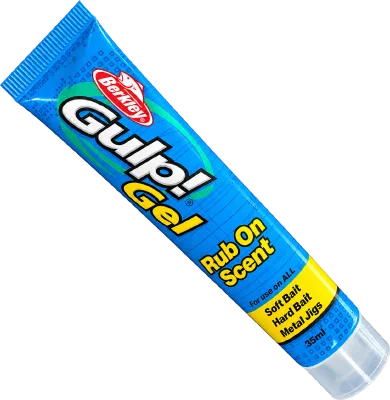
Berkley Gulp Rub-On Scent is a powerful scent attractant that can be applied to various bait and lures to enhance their effectiveness. It is designed to mimic the natural scents of prey, making it an excellent choice for attracting fish in both freshwater and saltwater environments.
The Berkley Gulp Rub-On Scent can be applied directly to bait, lures, hooks, or other fishing tackle. Simply rub the scent onto the desired item and cast out. The scent will help attract fish and increase your chances of a successful catch.
The Berkley Gulp Rub-On Scent is available for purchase on Amazon. Click the affiliate button below to view the product and make a purchase. By using this link, you support Getfished at no additional cost to you.