Choosing Flathead Rigs
I generally recommend running sinker rigs for flathead because they let the bait move more freely, trundling along the bottom and covering more area. Flathead tend to spend a lot of time buried up to their eyes, lying in wait for food passing by. They are ambush predators. Running sinker rigs are also the best choice for beginners—they are the simplest rig to set up and use, so you spend less time worrying about knots and more time fishing. This easy setup builds confidence for anyone just starting and helps avoid feeling overwhelmed by complicated gear.
That said, I have caught flathead on paternoster rigs frequently too, so you can use a paternoster rig if you prefer. However, if you’re completely new to flathead fishing, I recommend starting with a running sinker rig. It’s the simplest rig to set up and use, even if you’ve never tied one before, and it works well for targeting flathead because it keeps the bait right where these fish are waiting to ambush prey. Here are the basic steps to tie a running sinker rig:
- Thread a sinker onto your main fishing line.
- Slide a small bead onto the line after the sinker. The bead helps protect your knot from the sinker.
- Tie your main line to a swivel using a simple knot, like a clinch knot.
- Attach a leader (about 30 to 50 cm) to the other end of the swivel.
- Tie your hook onto the end of the leader.
Now your rig is ready to bait up and cast. Overall, I feel the benefits of a running sinker for flathead fishing outweigh those a paternoster rig provides for more mobile species.
Quick tip: Use a running sinker rig when fishing in sandy or muddy areas, especially if you want your bait to stay close to the bottom where flathead are likely to be hiding. A paternoster rig is a better choice if you are dealing with a lot of snags, rocky ground, or want to present multiple baits a bit higher off the bottom. Choose the right rig with confidence by matching it to the water and bottom you’re fishing.
Here’s a quick summary to help you compare the different rig types:
Running Sinker Rig
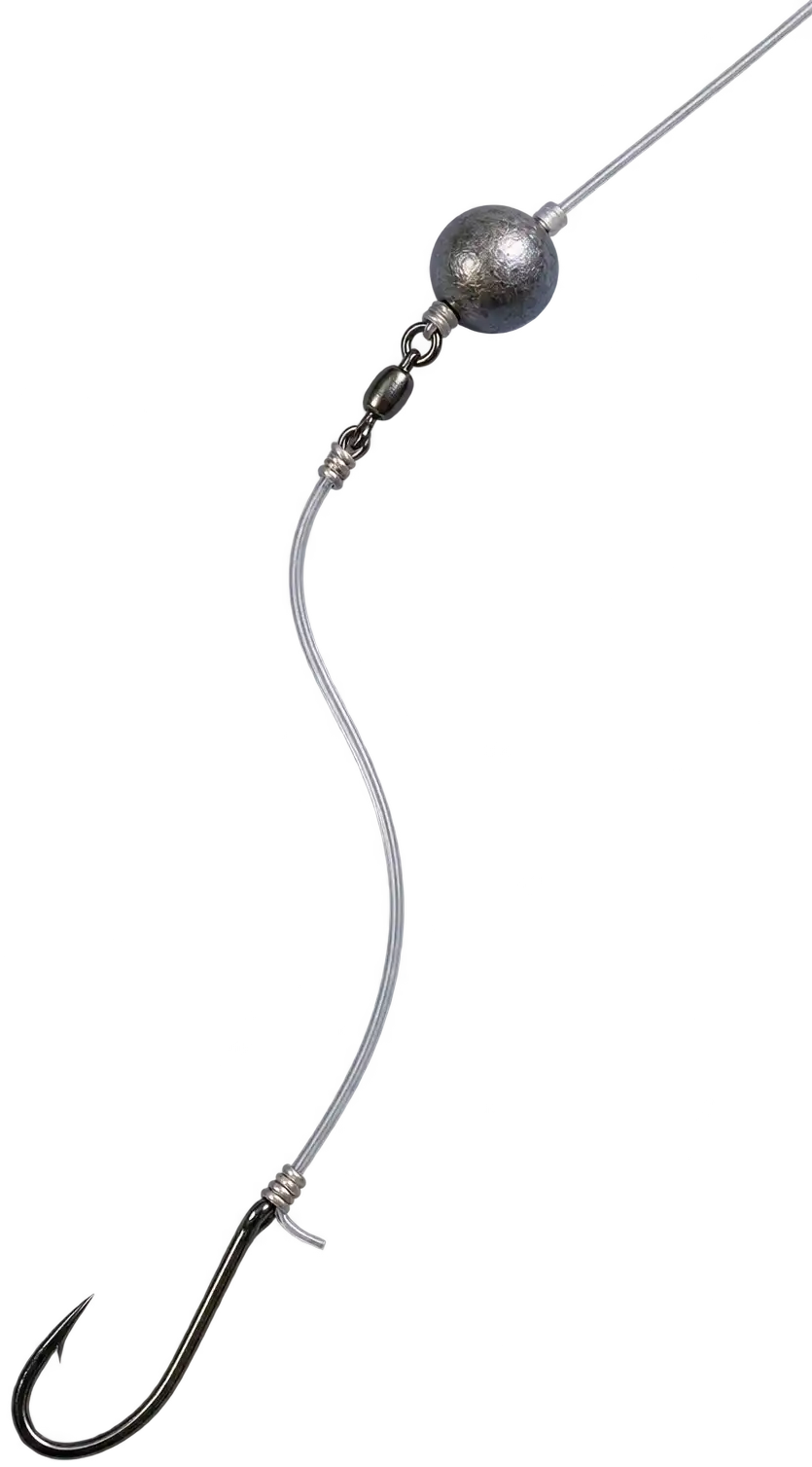
Beginners often find a running sinker rig a simple setup to tie. It keeps bait on or near the bottom, ideal for flathead. For beginners, effective bait options include pilchards, prawns, whitebait, and strips of fresh fish. These are easy to find and rig, and they regularly produce good results with flathead. This rig can be sensitive to bites because you’re directly connected to the hook. Fish can pick up bait with minimal resistance, which helps when they run.
The downside is that running sinkers are much more prone to snags than paternoster rigs. However, a few easy ways can reduce snag risk. Try casting and retrieving slowly over clear areas like sandy patches rather than rocky or weedy bottom, and keep your line just tight enough to feel bites without dragging the sinker. A lighter sinker helps your rig bounce over obstacles instead of getting stuck, and switching to a long-shank hook can make it easier to free your gear if you get caught. Some anglers also prefer circle hooks, which are less likely to wedge themselves deep into rocks.
If you do get snagged, a gentle, steady pull often frees the rig or bends the hook out. Losing the occasional sinker or hook is normal, especially when you’re learning. Even experienced anglers lose gear sometimes, so don’t let it put you off—it’s simply part of the process, and you’ll get better at avoiding snags with practice. Of course, we often target flathead over sandy flats, so this is usually less of a problem.
You can also buy them pre-tied if you wish; for example, Jarvis Walker Pre-Tied Running Sinker Rig is available from Amazon and most major tackle shops. Other beginner-friendly options include SureCatch and Mustad, both of which offer easy-to-find pre-tied rigs and tackle at stores like BCF, Anaconda, or local bait shops. For hooks, reputable brands like Mustad, Black Magic, or Owner are a safe choice; for sinkers, brands such as Wilson or SureCatch offer a good range in the typical sizes you need. Berkley Vanish and Platypus are reliable brands for leader line if you’re new to choosing fishing line.
Keeping these names in mind can make shopping for basic gear much less confusing. It makes it easy to show up and start fishing. For the best results with flathead, I recommend using a hook size between 1 and 2/0, a sinker weight of around 10 to 20 grams (enough to hold bottom in typical estuary conditions), and a leader line around 8 to 12 lb (4 to 6 kg) breaking strain. If you’re fishing snaggy or rocky areas, you may want a heavier leader. These sizes are beginner-friendly and cover most flathead fishing situations you’ll come across.
Paternoster Rig
One benefit is that they set up quickly with pre-tied rigs or loops. Paternoster rigs let you fish multiple hooks at once while keeping Bait off the bottom, which reduces snags. Plus, they make it really easy to change hook sizes or switch rigs.
On the downside, they suspend the bait above the seafloor, which may mean fewer flathead see it.
One benefit is that they set up quickly with pre-tied rigs or loops. Paternoster rigs let you fish multiple hooks at once while keeping bait off the bottom, which reduces snags. Plus, they make it really easy to change hook sizes or switch rigs. If you’d like to try tying your own, plenty of resources—like simple step-by-step guides and videos online—show basic paternoster knots and dropper loops, which can build your confidence to build rigs from scratch.
This can be resolved easily. I use pre-tied dropper loops and save myself a lot of time when fishing.
Ganged Hook Rig
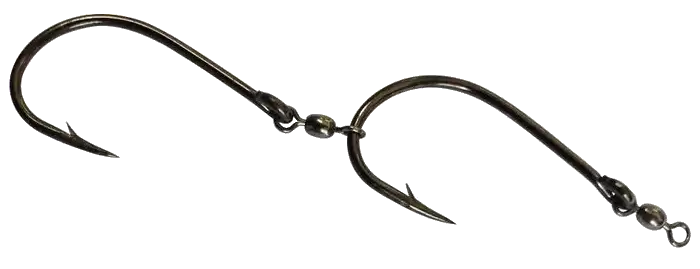
The ganged hook rig is great for presenting larger baits like pilchards. It’s also much easier to cast in windy and heavy surf conditions. Pre-ganged hooks can definitely save you time and significantly reduce effort.
Just keep in mind, though, some Australian states may not allow multiple sets because of hook limits, and they can be fiddly to assemble yourself. If you are unsure about the local fishing rules where you plan to fish, always take a moment to check the current regulations. The fastest way to check is to do a quick Google search with your state and “fishing regulations,” or ask at the local tackle shop where you get your bait or gear. The staff usually know the latest rules and can point you in the right direction right away. Every state has an official fisheries website where you can find the latest details. For example: New South Wales (NSW Department of Primary Industries), Victoria (VIC Fisheries), Queensland (Qld Fisheries), South Australia (PIRSA Fisheries), Western Australia (WA Department of Primary Industries and Regional Development - Fisheries), Tasmania (Inland Fisheries Service or Marine and Safety Tasmania), and Northern Territory (NT Fisheries). You can also ask at your local tackle shop for advice. Staying informed helps you fish responsibly and keeps you out of trouble.
Honestly, if you want something simple and effective, you can’t beat a paternoster system with a pre-tied rig or one with pre-tied loops on a spool. It’s not even my first choice for a flathead rig.
Years spent programming have taught me to avoid reinventing the wheel and use tools that come ready to go. So the dropper loops are perfect for my own fishing.
Oh, and yes. You can rig dropper loops as running sinker rigs with a little outside-the-box thinking.
Instead of the usual three or four loops.
- Attach your running sinker to your main line
- Next attach your swivel or fast-attach clip.
- Your loops can then be just the two, attaching one loop to the clip and your hook on the other.
You can do a whole range of variations with this setup.
Rigmate - For Flathead Rigs
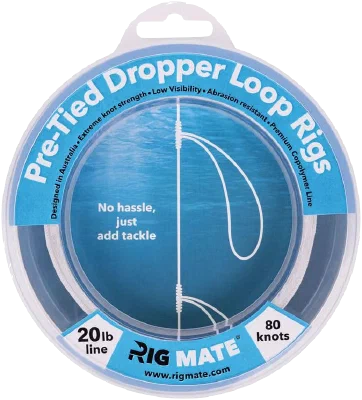
This product is one of my personal favourites. Rigmate is a versatile fishing rig DIY tool that lets you make your own rigs without tying complicated dropper knots. Saving time and frustration. Just spool off the number of loops you need and attach hooks and a sinker or berley cage. I usually allow an extra loop so I can just attach the whole rig to my snap swivel attached to my mainline.
The product is available in a range of line strengths from 5lb up to 1001lb. So it's great for a range of species, freshwater and saltwater. From paternoster rigs, running sinker and more.
Rigmate is available for purchase on Amazon. Click the affiliate button below to view the product and make a purchase. By using this link, you support Getfished at no additional cost to you.