Flathead Bait, Proven and Tested
Flathead Bait Options
Flathead can be much less fussy than some other species I’ve worked with, but I’d still recommend using bait as fresh as possible. Wine gets better with age (in the right conditions), but bait doesn’t. Even if you do keep it in the freezer, it doesn’t get any better. Some bait shops sell excellent-quality frozen bait; a few try to sell you defrosted, then refrozen bait. In my opinion, that latter product is pretty much worthless for most fish. Stale bait is generally quite squishy, off colour and has a rather “off” smell. Avoid it.
My own advice is to buy your bait before you even get to the fishing spot. Find a good store in the area with good-quality bait and buy it there. That doesn’t mean you shouldn’t buy local bait at a fishing spot; you should support local people, and you won’t find yourself short on either quality or availability.
In a pinch, the local supermarket butcher or deli chicken breast fillets are absolutely fine and perfectly valid bait. If you’ve got a bit of time before you go fishing, take a couple of fillets, coat them liberally with coarse salt (roughly a tbsp per 500g of chicken) and put them in a container or Ziploc bag to sit in the fridge for 2 to 4 hours. This firms the meat up and helps it stay on the hook. For a bit more appeal, you can drizzle or spray a little fish attractant/scent over the salted chicken just before use. That’s it; it takes a few minutes and can help attract flathead.
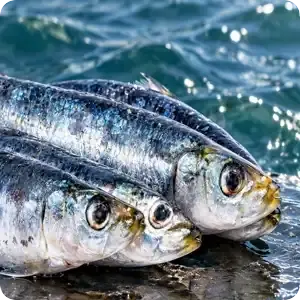
Pilchards, Bluebait and Whitebait
You can fish the pilchards whole, filleted or in chunks. You can fish the bluebait and whitebait whole. The flathead will eat them all. That’s exactly the sort of thing a flathead hopes will drift by.
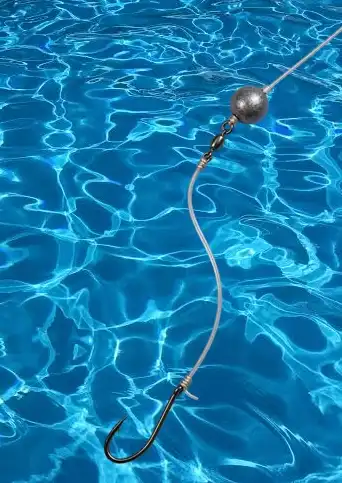
I go for a whole fish for flathead if it’s the right size. To rig it, thread the hook under the backbone and out toward the head or tail, making sure the point and barb are fully exposed. That keeps the bait in place. For the running sinker rig, slide the sinker onto your mainline above a little bead, tie your line to a swivel, and then attach a short leader from the swivel to your hook. That rig allows the fish to take the bait with very little resistance from the weight. I prefer that running sinker rig over a paternoster. I’m not saying you can’t catch flathead on a paternoster; you certainly can. A running sinker lets the bait drift with the current and cover a lot more ground than a paternoster, which stays in one place. It gives you a far better chance of your bait drifting past a flathead that’s lying in the sand or mud.
Squid
Squid tentacles can be pretty good flathead bait. A nice dangling squid tentacle or two on a hook is very enticing. Because squid is tough bait, it will hold onto other soft bait (pilchards, pippies, etc.) on your hook. It’s sometimes referred to as a bait ‘cocktail’ and is very effective when used in that manner.
Mussels & Pippis
They’ll work, just probably not my first pick for flathead. Not that flathead won’t take them at all (they will), but other baits are more substantial and generally hold better on the hook, particularly if your bait is moving along the bottom with the flow.
Mussels and pippis can absolutely have their moment. If you’ve run out of other baits or the fish won’t take your normal offerings, then mussels or pippis can be a good alternative. They are natural food for flathead in some areas, and where they’ve been feeding on them, using the shells is a good thing to try. The downside is they don’t hold as well on the hook and are prone to being picked off by smaller fish. They’re worth a go if you’ve run out of other baits or are trying to match what’s in the area.
Fish Fillets
A fillet of silver or mullet is excellent flathead bait (particularly for the adults and larger flatheads). A ganged hook is very effective in this application, presenting the bait naturally and greatly improving the hookup rate.
Chicken Breast
If you’ve read enough about my fishing, you’ll know this as the bait I keep coming back to. Why? Because it works. It’s easy to get, easy to prepare, easy to put on a hook, and fish seem perfectly happy to eat it.
I particularly like chicken off piers, beaches and estuary banks. I’ll usually season it with sea or cooking salt (table salt seems to be completely ineffective) and add some of the various spices that you can find, in the form of garlic, anise (has that aniseed smell) and all sorts of fish attractants which smell like fish and are available in the tackle shops. With the spices, you generally only need a very light sprinkling (perhaps half a tsp per 500g of chicken) to add the scent without it being too strong. For liquid or spray attractants, you only need a few sprays or a very light drizzle over the pieces just before fishing. The idea is to use the right amount of scent to attract fish without it becoming too much and turning into a mess. Toss the pieces in a bowl or bag to coat them, then leave them for a few minutes to absorb the flavour before you rig them on your hook.
A quick tip on chicken breast vs thigh and other cuts. Breast is a good, firm meat. Thigh is rather stringy. It’s not that the fish really have a preference; it’s just that the breast is easier to work with.
I’ll cut the breast into chunks, squares, or strips (think of it as a worm or tentacle), depending on the size of the flathead I’m after and the hook I’m using. For smaller flathead (25-40cm), I’ll use pieces about 2-3cm long by 1cm wide and a size 1 to 1/0 hook. For medium-sized fish (40-55cm), I’ll use pieces about 4-5cm long by 1.5-2cm wide and a 2/0 to 3/0 hook. If I’m after the big ones, I’ll go chunkier, with strips 6-8 cm long and up to 2.5cm wide, for a hook up to size 4/0. The piece needs to be big enough to stay on the hook and attract a decent fish, but not so big that it folds up and covers the hook point.
Adjust the size of your chunks or strips to match your hook and your target flathead so the presentation looks natural and the hook stays exposed.
Fishing Lip Grips - Recommended When Handling Snapper
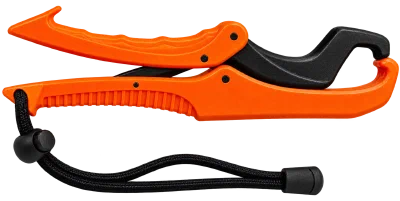
Fishing Lip Grips are essential tools for anglers, allowing for safe handling of fish while minimizing harm to both the fish and the angler. These grips are designed to securely hold the fish by the lip, making it easier to remove hooks and release the fish back into the water.
To use Fishing Lip Grips, follow these steps: 1) Open the grips and position them around the fish's lower jaw. 2) Squeeze the handles to securely hold the fish. 3) Carefully remove the hook while keeping the fish steady. 4) Release the fish back into the water gently. Always handle fish with care to ensure their survival after release.
The Fishing Lip Grips are available for purchase on Amazon. Click the affiliate button below to view the product and make a purchase. By using this link, you support Getfished at no additional cost to you.