 Choosing Flathead Rigs
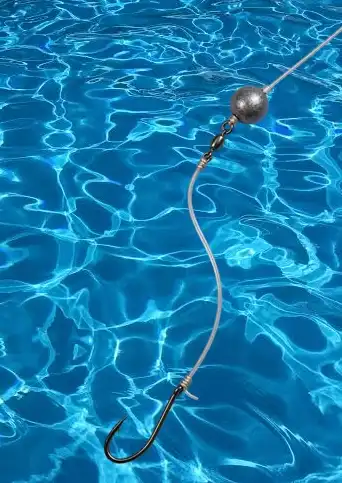
This are some of the rig options I use and recommend for Flathead fishing in Australia
Flathead are one of the most popular saltwater fish in Australia. You can target them offshore, on ocean beaches, in bays, and in estuaries.
You can catch them on bait, soft plastics, and hard body lures. There are loads of ways to do it, and the good news is you don’t need any fancy gear. A fairly basic rig will do the job, and you’ll end up with a really good table fish.
A word of warning re flathead. There’s a nasty spine right behind the gill plates which will cause irritation or pain in most people. In a small number of people, it could be more serious and lead to an anaphylactic reaction, which would require immediate medical attention. It’s uncommon, but it’s worth knowing. If you’re stung, soak the area in hot (not scalding) water as soon as possible, as the heat helps neutralise the venom and reduce pain. Clean the wound and seek medical help, especially if the pain is severe or you have signs of an allergic reaction (swelling, difficulty breathing, rash, etc.). I’d recommend using fish grips when handling flathead and long-nosed pliers to remove hooks.
While many species are caught regularly, the slang terms used throughout Australia can be quite confusing. Flathead, for instance, is known as ‘Crocs’, ‘Lizards’, and ‘Dogs’, among other things. To assist anglers in identifying some of the more common species, here are a few simple pointers:
Despite frequent misidentification as Dusky Flathead, the specimens caught in Port Phillip and Western Port are not Dusky Flathead (they are confined to eastern Gippsland). Most of the fish caught around Port Phillip and Western Port are Southern Blue Spotted, Southern Sand, Tiger (offshore in Bass Strait), or Rock or Grass Flathead.
Flathead vary in size, and different species of flathead have different length rules in different states. Check your local fisheries department for sizes in your state or territory. NSW, Vic, QLD, Tas, SA, WA, NT and ACT. Don’t forget the requirement for purchasing a license in the states that mandate recreational fishing licenses.
In the southern states (Victoria, SA, Tasmania and southern WA) summer and early autumn are often the best times to target them. You can catch them year-round in most other states, though.
The pages linked below cover bait, lures, lines, and tackle I’ve found fairly cheap and effective for targeting flathead.
Choosing Flathead RigsThis are some of the rig options I use and recommend for Flathead fishing in Australia
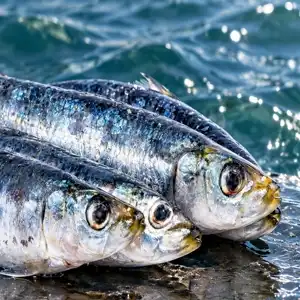 Flathead Bait, Proven and Tested
Flathead accept a huge variety of baits, but here are some than stand the test of time me.
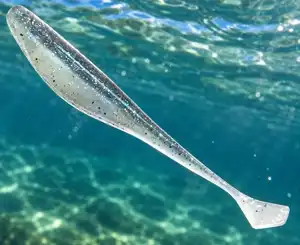 Flathead Fishing With Lures
Flathead will readily strike lures, both software plastic and traditional hard body lures