
Pike Fishing Guide
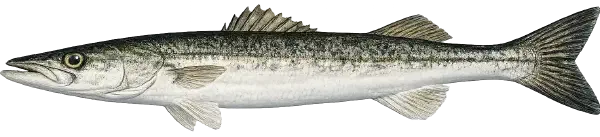
Pike in the Australian saltwater context are slender predatory fish encountered around bays, weed beds, reefs, piers and inshore structure, including Victorian waters. They are fast, toothy and often taken on light tackle or while targeting other species. The practical setting is usually saltwater or estuary water with baitfish, weed, reef edges or pylons rather than freshwater northern-hemisphere pike.
They feed actively on small fish and can turn up where bait schools hold over weed or around structure. Clear water and low light can be useful because pike are visual hunters, while tide movement can push bait past ambush points. Because common names can be confusing, anglers should identify the actual local species before applying rules or deciding whether to retain fish.
Tactics are straightforward. Cast small lures, metals, soft plastics or baitfish-style offerings around weed edges, reef patches, rock walls and piers where bait is present. A steady retrieve with pauses can suit fish that are following but not striking. If using bait, keep it natural and avoid oversized presentations unless larger baits are clearly needed. Move along structure until active fish are found.
Because pike often slash at small prey, missed hits do not always mean the fish has gone. Cast back through the same lane with a slightly slower retrieve or smaller profile.
Gear can be light, but abrasion and teeth matter. Use a leader that can handle rough mouths and contact with weed, rocks or pylons. Small hooks and lures are usually enough, and pliers help with safe unhooking. Do not assume rules from another “pike” species apply; Victoria and other states may manage local pike, snook or related species differently.
If pike are being kept for bait, bleed and store them cleanly, then count them against any relevant possession rules for the water being fished. When they are only bycatch, quick release with pliers is the safest approach.
Check your local state fishing authority website for current pike size, bag and rule changes.