Species report trend

Flathead Fishing Report

Platycephalus spp.

A report-based overview of where flathead appears in Getfished fishing report data.

Saltwater

Share Your Latest Fishing Report

Help other anglers by sharing recent catches, bait, conditions, and what’s happening at your local fishing spots.

Share Flathead fishing reports

Report patterns

Flathead report signals

Derived from fishing report data

Bait and lure patterns

These percentages show the share of bait and lure mentions found in reports for this species. They reflect observed report patterns, not universal recommendations.

Reported bait

Squid 48.8%
Blue bait 24.9%
Pipis 4.8%
Pilchards 4.2%
Salmon 2.1%
Fresh bait 1.4%
Pilchard 1.4%
Pilchard fillet 1.4%
Pipies 1.4%
Trevally 1.4%
Bait 0.7%
Chicken 0.7%

Reported lures

Soft plastics 53.7%
Gulp turtleback worm 4.9%
Gulp turtleback worms 4.9%
Gulp soft plastics 2.0%
2 soft plastics 1.0%
3 minnow 1.0%
3 soft plastics 1.0%
3-4 inch flick baits 1.0%
4 inch minnows 1.0%
4 inch soft plastics 1.0%
4-5 inch soft plastics 1.0%
Berkley 3 minnow soft plastics 1.0%

Seasonal report pattern

This shows when flathead reports appear across Australian seasons. Shares are based only on reports with parseable dates.

Autumn and summer show the strongest reporting activity, with reduced reports during winter.

Note: seasonal patterns may be influenced by factors such as reporting bias, species behavior, and environmental conditions.

Summer 26.0%
Autumn 40.6%
Winter 19.2%
Spring 14.2%

Reported flathead locations

These locations come from report records. Linked locations have matching Getfished location pages.

Geelong Waterfront

56

Geelong

View location forecast and local fishing context.

Corio Bay

36

Geelong

View location forecast and local fishing context.

Geelong Grammar Lagoon

34

Geelong

View location forecast and local fishing context.

St Helens Rockwall

30

Geelong

View location forecast and local fishing context.

Spoil Grounds

24

Geelong

View location forecast and local fishing context.

Barwon Heads

23

Bellarine Peninsula

View location forecast and local fishing context.

Swan Bay

16

Bellarine Peninsula

View location forecast and local fishing context.

Queenscliff Harbour

14

Mornington Peninsula

View location forecast and local fishing context.

Clifton Springs

12

Bellarine Peninsula

View location forecast and local fishing context.

Geelong Yacht Club

10

Geelong

View location forecast and local fishing context.

Bemm River

8

Sydenham Inlet

View location forecast and local fishing context.

Alcoa Pier

6

Geelong

View location forecast and local fishing context.

Alcoa Spoil Grounds

6

Reported in fishing data but not yet mapped to a Getfished location page.

Cunningham Pier

6

Geelong

View location forecast and local fishing context.

Geelong

6

View location forecast and local fishing context.

Indented Heads

6

Reported in fishing data but not yet mapped to a Getfished location page.

Limeburners Point Boat Ramp

6

Geelong

View location forecast and local fishing context.

St Helens

6

Port Fairy

View location forecast and local fishing context.

St Leonards

6

Bellarine Peninsula

View location forecast and local fishing context.

Stingaree Bay

6

Bellarine Peninsula

View location forecast and local fishing context.

Lake Tyers

5

Lakes Entrance

View location forecast and local fishing context.

Bellarine Peninsula

4

View location forecast and local fishing context.

Clifton Springs Channel Drift

4

Reported in fishing data but not yet mapped to a Getfished location page.

Corio Bay Waterfront

4

Reported in fishing data but not yet mapped to a Getfished location page.

Flathead Fishing Guide
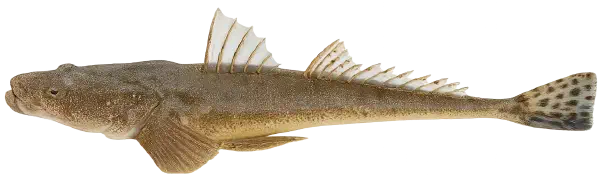
Flathead are bottom-dwelling saltwater and estuary predators found across Australian coastal systems, including Victorian bays and estuaries. The source presents them as ambush fish suited to sand, mud, weed edges, channels and shallow banks rather than open-water chasing. They are a practical land-based and boat target because they sit on the bottom and wait for prawns, baitfish and other food to pass close enough to strike.

The fishing context is strongly tied to tide, depth change and bottom type. Drains, drop-offs, channel edges, sand patches, weed margins and the mouths of small creeks or gutters can all hold fish. Low light and moving water are useful because they shift bait over ambush ground. Flathead can be present in shallow water, but better fish may sit on nearby edges where the bottom falls away.

Tactics should keep the offering close to the bottom. Soft plastics, hard bodies, vibes and natural baits are useful flathead options, but the practical pattern is to cover likely bottom until fish are found. Cast across sand and weed edges, let lures sink properly, then work them with pauses so they stay in the strike zone. With bait, use enough weight to maintain bottom contact without dragging unnaturally in current.

Fan casts help cover a bank or channel edge without walking over fish sitting in very shallow water. After one flathead is caught, keep working the same transition because more fish can hold along the same edge.

Gear can be straightforward estuary tackle, adjusted for current, weed and expected fish size. Leaders are useful because flathead have rough mouths, and careful handling matters around gill plates, spikes and hooks. Size and bag rules vary by state; some areas may also have slot limits or different rules for dusky flathead. Keep Victorian context in mind where fishing Port Phillip, Western Port or estuary systems.

When releasing larger fish, keep them supported and in the water as much as possible, because larger breeding fish can be important in local flathead populations.

Check your local state fishing authority website for current flathead size, bag, slot and rule changes.

Explore more Fishing Reports.
Share Flathead fishing reports

Flathead is also known as:

Flattty, Flattie, Dog, Lizard.