Species report trend

Australian Salmon Fishing Report

Arripis trutta

A report-based overview of where australian salmon appears in Getfished fishing report data.

Saltwater

Share Your Latest Fishing Report

Help other anglers by sharing recent catches, bait, conditions, and what’s happening at your local fishing spots.

Share Australian Salmon fishing reports

Report patterns

Australian Salmon report signals

Derived from fishing report data

Bait and lure patterns

These percentages show the share of bait and lure mentions found in reports for this species. They reflect observed report patterns, not universal recommendations.

Reported bait

Hard body lures 63.0%
Blue bait 7.8%
Squid 11.9%
Garfish 8.4%
Pilchard 1.8%
Pilchard fillet 1.1%
Pilchards 1.1%
Pipis 1.3%
Pippie 0.6%
Chicken 0.6%
Prawn 0.4%
Bait 0.2%

Reported lures

Soft plastics 36.7%
Plastics 31.6%
Metal lures 2.8%
Lures 1.2%
Gulp turtleback worms 1.2%
Metal lures 20-60g 1.0%
White occy skirts 1.0%
20-60g metal lures 0.9%
Bait 0.7%
Sea iron pelacus 0.7%
Small minnow soft plastics 0.7%
Turtleback worm 0.7%

Seasonal report pattern

This shows when australian salmon reports appear across Australian seasons. Shares are based only on reports with parseable dates.

Autumn and summer show the strongest reporting activity, with reduced reports during winter.

Note: seasonal patterns may be influenced by factors such as reporting bias, species behavior, and environmental conditions.

Summer 18.9%
Autumn 24.7%
Winter 35.8%
Spring 20.6%

Reported australian salmon locations

These locations come from report records. Linked locations have matching Getfished location pages.

Geelong Waterfront

92

Geelong

View location forecast and local fishing context.

Barwon Heads

54

Bellarine Peninsula

View location forecast and local fishing context.

Queenscliff Harbour

44

Mornington Peninsula

View location forecast and local fishing context.

Corio Bay

32

Geelong

View location forecast and local fishing context.

Surf Coast

30

View location forecast and local fishing context.

Bemm River

26

Sydenham Inlet

View location forecast and local fishing context.

Port Phillip Heads

24

View location forecast and local fishing context.

Bancoora Beach

20

Surf Coast

View location forecast and local fishing context.

Jan Juc

18

Surf Coast

View location forecast and local fishing context.

Alcoa Pier

16

Geelong

View location forecast and local fishing context.

Queenscliff Cut

16

Surf Coast

View location forecast and local fishing context.

Clifton Springs

14

Bellarine Peninsula

View location forecast and local fishing context.

Geelong Yacht Club

14

Geelong

View location forecast and local fishing context.

Barwon Heads Offshore

10

Surf Coast

View location forecast and local fishing context.

Sheepwash Barwon River

10

Bellarine Peninsula

View location forecast and local fishing context.

Spoil Grounds

10

Geelong

View location forecast and local fishing context.

St Helens Rockwall

10

Geelong

View location forecast and local fishing context.

Wangim Walk

10

Geelong

View location forecast and local fishing context.

Gunnamatta

8

Surf Coast

View location forecast and local fishing context.

Moggs Creek

8

Surf Coast

View location forecast and local fishing context.

Portarlington Harbour

8

Bellarine Peninsula

View location forecast and local fishing context.

Swan Bay

8

Bellarine Peninsula

View location forecast and local fishing context.

Kilcunda

7

Bass Coast

View location forecast and local fishing context.

Artillery Rocks

6

Lorne

View location forecast and local fishing context.

Australian Salmon Fishing Guide
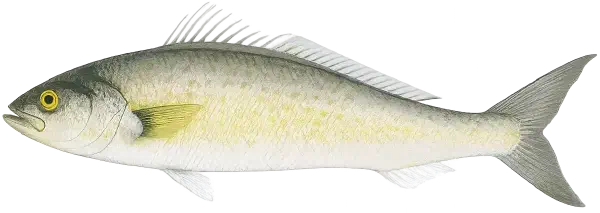
Australian salmon are fast, schooling saltwater fish known in Australia as Australian salmon rather than true salmon. Arripis trutta occurs on the east and south-east coast, with a western Australian salmon species across southern WA to Victoria. In Australian waters they occur around NSW, Victoria and Tasmania, with occasional winter movement into south-east Queensland, and they can be caught year-round where they are present. They favour cooler water in some areas and are often encountered from beaches, breakwalls, ocean rocks, bays and estuaries.

These fish are streamlined visual predators that herd baitfish and feed aggressively near the surface, while juveniles also take small crustaceans and worms. Bird activity over bait can be a useful clue when schools are pushing food up. In Australia, bigger fish are more closely tied to beaches and rocks, while juveniles are more likely in coastal and sheltered bay water. Their spawning habitat is not well defined, though late summer spawning in deeper water is suggested.

Because Australian salmon travel in schools, fish can appear and disappear quickly from the same beach or bay edge. Keep watching for moving water, nervous bait, birds and surface disturbance rather than anchoring all effort to one fixed patch.

Beach gutters are worth prioritising because they give salmon a deeper lane running parallel to the sand. Pilchards, pipis, cockles and beach worms are supported beach baits, while whitebait, prawns and squid are relevant in estuary water. Cast lures into visible schools and retrieve quickly with pauses to imitate injured baitfish. Silver lures that flash in the water, poppers, spoons and hard bodies can all suit active fish.

Surf rigs, paternoster-style presentations, live baits, trolled lures and jigs are all supported options, but the main practical point is to match the method to the water being fished. Add bait where needed, use burley carefully when trying to draw fish up, and keep rock and surf safety front of mind around exposed Australian beaches and ocean rocks.

  • The incoming tide make it easier to reach Australian Salmon schools off the beach.
  • The Winter months tend to see more salmon activity throughout surf beaches and bays.
  • Brightly metallic lures can be particularly effective at catching salmon.
  • Bait choice is often pilchards, whole and cut, mullet fillets and silver whiting.
  • Optimal activity around around first light until mid morning. Then again late afternoon and dusk.
  • A 12 to 14 foot beach or surf rod is optimal for surf beaches and larger bay piers/beaches.
  • A paternoster rig is effective when using bait.
  • A double gang hook has also proven to be an effective technique, especially when using whole fish or larger fillets.
  • Size 2 to 1/0 hooks are ideal.

Check your local state fishing authority website for current Australian salmon size, bag and rule changes.

Explore more Fishing Reports.
Share Australian Salmon fishing reports

Australian Salmon is also known as:

Salmon.