Moon Phase & Fishing: What 20,550 Reports Revealed
TL;DR
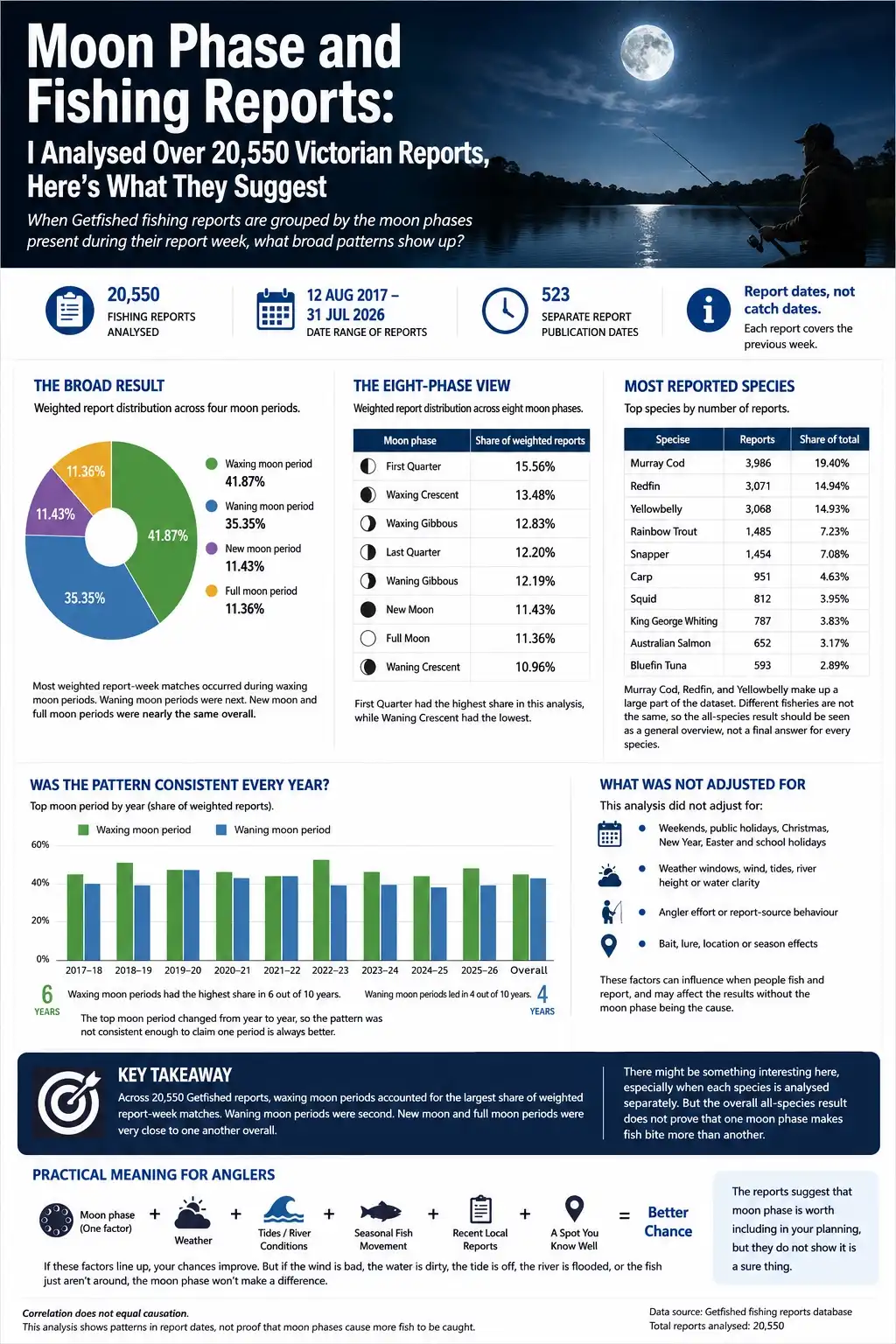
- Across 20,550 Victorian fishing reports, waxing moon periods had the highest share of weighted report-week matches.
- Waning moon periods ranked second, while new moon and full moon results were close to each other.
- First Quarter had the highest individual moon-phase share; Waning Crescent had the lowest.
- The pattern was not consistent every year, so the data does not prove one moon phase is always better.
- Species mix is important: Murray Cod, Redfin, and Yellowbelly make up a large share of the dataset and may influence the overall result.
- The analysis did not adjust for holidays, weather, tides, angler effort, water conditions, season, location, bait, or lure choice.
- Moon phase is worth considering in trip planning, but should be treated as one factor along with weather, tides and local knowledge.
Correlation does not equal causation
This matters whenever we talk about data, including moon phases and fishing reports, because it is easy to see a pattern and think it is solid proof. Just because something happens once does not mean it will always happen the same way, or even in the same way, in another location.
Anglers have argued about moon phases for as long as I can remember. Some say the new moon is best, while others like the full moon. Some Murray Cod or even Gummy shark fishers talk about the days before a full moon. Many experienced anglers also point out that things like weather, river height, water clarity, tides, pressure, season, bait, location, and simply putting in the effort matter equally as much, if not more.
So, this analysis does not try to prove that moon phases make fish bite.
Instead, this analysis looks at a simpler and more careful question:
When Getfished fishing reports are grouped by the moon phases present during their report week, what broad patterns show up?
What was analysed
This analysis used 20,550 fishing reports in the Getfished database as of 9th of July 2026.
The report dates covered the period from August 2016 to 31 July 2026, across 523 separate report publication dates. The date range I exported from the database was 2016 to 2026, with the earliest report date in this dataset being mid 2016.
The important limitation is that these are report dates, not exact catch dates.
Most reports talk about the week before they were written. Those reports claiming to be from the same day are largely from social media, which is impossible to verify accurately. Because of this, I am unable to accurately say when a given fish was caught during a specific moon phase. Instead, each report was spread across the moon phases that happened in the seven days before the report date.
For example, if a report week had three days of waxing crescent, two days near the first quarter, and two days of waxing gibbous, that report was counted partly for each of those moon phases.
That is why the results below show weighted matches for report weeks, not the exact moon phase for each day a fish was caught.
The broad result
When I collapsed the eight moon phases into wider moon periods, the weighted report distribution was:
| Moon phase period | Share of weighted reports |
|---|---|
| Waxing moon period | 41.87% |
| Waning moon period | 35.35% |
| New moon period | 11.43% |
| Full moon period | 11.36% |
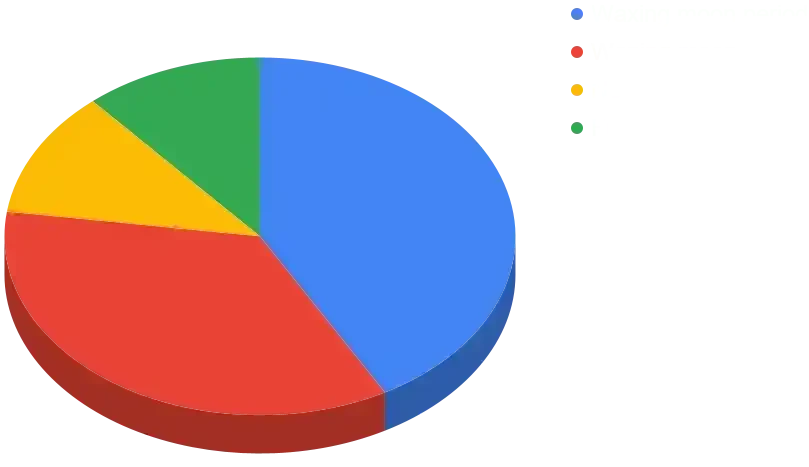
Looking at the numbers, most report-week matches occurred during waxing-moon periods. Waning moon periods came next. The new moon and full moon periods were nearly the same across the overall results.
That is interesting, but we should not read too much into it.
This does not mean fish were caught more often because of the waxing moon. It just means that in this database, when reports were spread across their seven-day windows, the waxing moon period had the largest share.
The eight-phase view
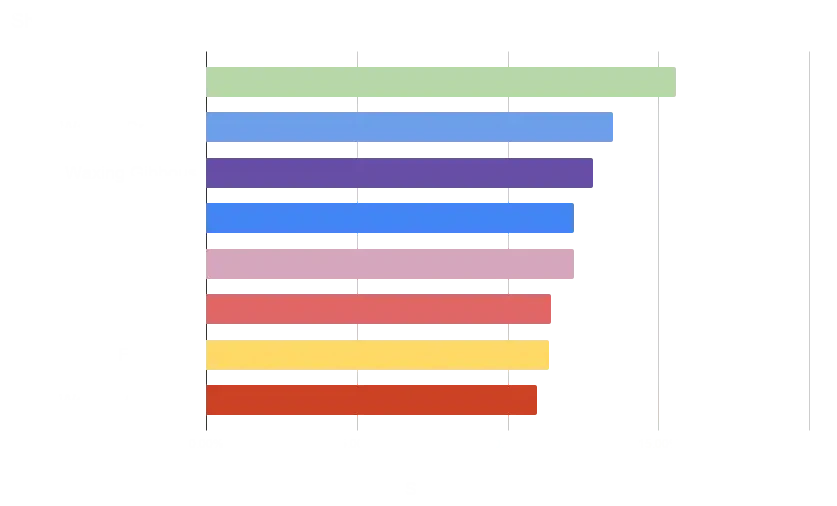
Looking at all eight moon phases gives a bit more detail:
| Moon phase | Share of weighted reports |
|---|---|
| First Quarter | 15.56% |
| Waxing Crescent | 13.48% |
| Waxing Gibbous | 12.83% |
| Last Quarter | 12.20% |
| Waning Gibbous | 12.19% |
| New Moon | 11.43% |
| Full Moon | 11.36% |
| Waning Crescent | 10.96% |
First Quarter had the highest share in this analysis, and Waning Crescent had the lowest.
Again, we need to be careful here. The difference between the highest and lowest shares is not enough to say moon phase is a sure thing for fishing. It is just a general pattern in the data, not a rule.
Was the pattern consistent every year?
Not completely.
The top moon period changed from year to year. Waxing moon periods had the highest share in six out of ten years, while waning moon periods led in four.
That matters because a strong claim about moon phases would need to show a clearer and much more consistent pattern than this.
The yearly results suggest there could be a general pattern in the reports, but it is not consistent enough to say that “the waxing moon is always better” or “the full moon is best.” Certainly, the “new moon”, which forms a central part of Solunar theory, is not supported by the dataset, on the surface.
Making those kinds of claims would go beyond what the data really shows.
A major limitation: report mix
There is another key issue with using all-species fishing report data.
Not every species appears with equal frequency in the Getfished database. Some species make up a much larger share of the reports than others.
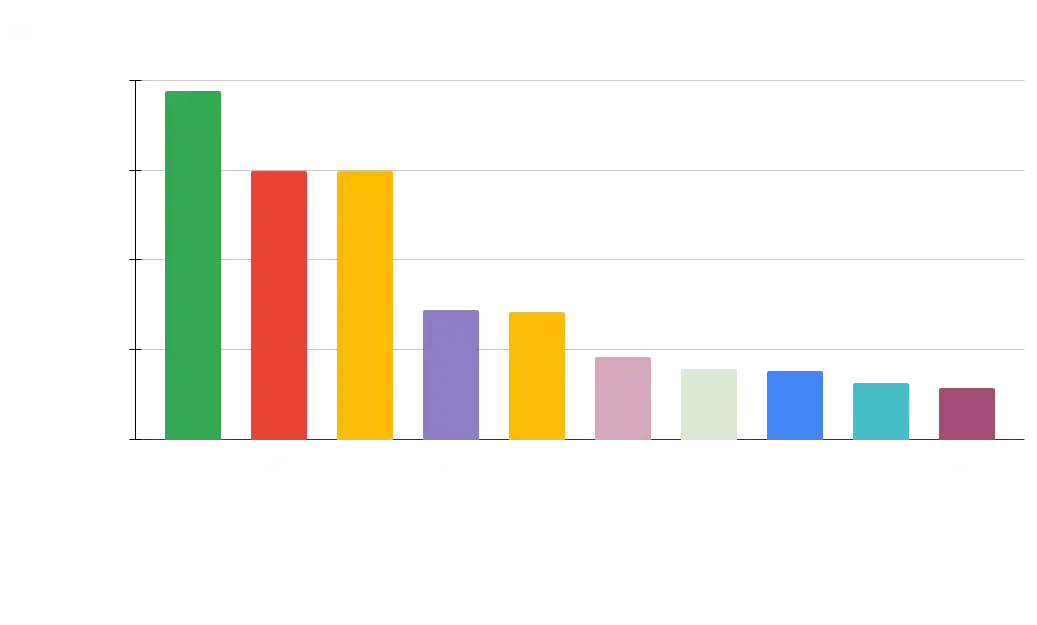
The most reported species in this dataset were:
| Species | Share of total |
|---|---|
| Murray Cod | 19.40% |
| Redfin | 14.94% |
| Yellowbelly | 14.93% |
| Rainbow Trout | 7.23% |
| Snapper | 7.08% |
| Carp | 4.63% |
| Squid | 3.95% |
| King George Whiting | 3.83% |
| Australian Salmon | 3.17% |
| Bluefin Tuna | 2.89% |
Murray Cod, Redfin, and Yellowbelly make up a large part of the dataset. This means that reports about freshwater and native fish can have a big effect on the all-species results.
This is important because different fisheries are not the same. A moon pattern found in Murray Cod reports may not apply to snapper. A pattern in squid reports might fail to fit trout. A pattern in freshwater data may not tell you much about Port Phillip Bay or Western Port.
There is also the issue of repeated reporting. If a few regular contributors report on certain species or places, the results might partly reflect their habits, timing, favourite spots, and how often they report.
This does not make the data useless. It just means the all-species result should be seen as a general overview, not a final answer for every species.
What was not adjusted for
This analysis did not adjust for several important factors, including:
weekends and normal days off;
Victorian public holidays;
Christmas and New Year holiday periods;
Easter and school holidays;
weather windows;
wind, tides, river height or water clarity;
angler effort;
report-source behaviour;
bait, lure, location or season effects.
These factors matter.
For example, if more people go fishing during holidays or when the weather is good, it can change how many reports are made. If those periods line up with certain moon phases in a year, they can affect the results, even if the moon phase is not the reason.
For instance, popular holiday periods like Christmas, New Year, and Easter often bring a large increase in fishing activity across Victoria, which could easily lead to spikes in reports that overlap with the current moon phase. Similarly, good weather on a weekend can result in more angler activity and more reports, while poor weather might mean fewer people fish and fewer reports are made.
In some years, it is quite possible that an unusually high number of reports occurred during a waxing or waning moon simply because there were major holidays or ideal weather at the same time, not because those moon periods actually resulted in better fishing.
This means patterns seen in the data may reflect when people were more likely to go fishing, rather than a true influence of the moon phase itself.
That is why this article should be seen as an analysis of report patterns, not as proof that moon phases cause fishing success. Conversely, it doesn’t disprove solunar theory-based fishing either.
What the reports suggest
🗝️Key Takeaway
The main point here is simple. Across 20,550 Getfished reports, waxing moon periods accounted for the largest share of weighted report-week matches. Waning moon periods were second. New moon and full moon periods were very close to one another overall.
There could be something interesting here, especially if you look at each species by itself. Murray Cod, Yellowbelly, Snapper, Squid, King George Whiting, and Trout might each show a different pattern if analysed separately. I plan to look into these over the coming months and will share detailed species-specific breakdowns as new reports and data are analysed. You can expect an update on species-by-species results later this year, so keep an eye out for future articles if you are interested in how moon phases might affect your target fish.
But the overall all-species result does not prove that one moon phase makes fish bite more than another.
Practical meaning for anglers
Moon phase is worth considering, but it should not be the only thing you count on. It is better to use moon phase as just one of many planning tools. For a practical approach, here is a quick checklist of factors to consider alongside moon phase when planning a fishing trip:
- Weather conditions (wind, rain, temperature)
- Tides (if applicable)
- Water clarity and river height
- Seasonal fish movements
- Local reports and recent catches
- Time off and holidays
- Your favourite spots and local knowledge
- Bait or lure choice
If a good moon period lines up with nice weather, ideal tides, manageable wind, seasonal fish movement, recent local reports, and a spot you know well, it can give you more confidence for your trip. But if the wind is bad, the water is dirty, the tide is off, the river is flooded, or the fish just are not around, the moon phase will not make a difference.
🗝️Key Takeaway
Rule of thumb: Let the moon help guide you, but put conditions and local knowledge first for your best shot at success.
The reports analysed suggest that moon phase is worth including in your planning, but they do not show it is a sure thing.
That is the most straightforward answer I can give, based on the data available right now.
Share this post

Written by
Scott Kane
Founder, Getfished
Scott's a software developer and the founder of Getfished. He's a long-time recreational angler focused on practical fishing forecasts, fishing report data, and decision-support tools for Victorian anglers.
He has a background in complex software systems and data analysis. Scott has a penchant for building software using low level tools, developing products like Getfished in C, Pascal, SQLITE and Hugo.